New vs used, rent vs buy
Brand-agnostic guidance for contractors deciding how to acquire roof coating spray equipment — what changes between new and used gear, when renting beats owning, and which specs actually matter as a job book grows.
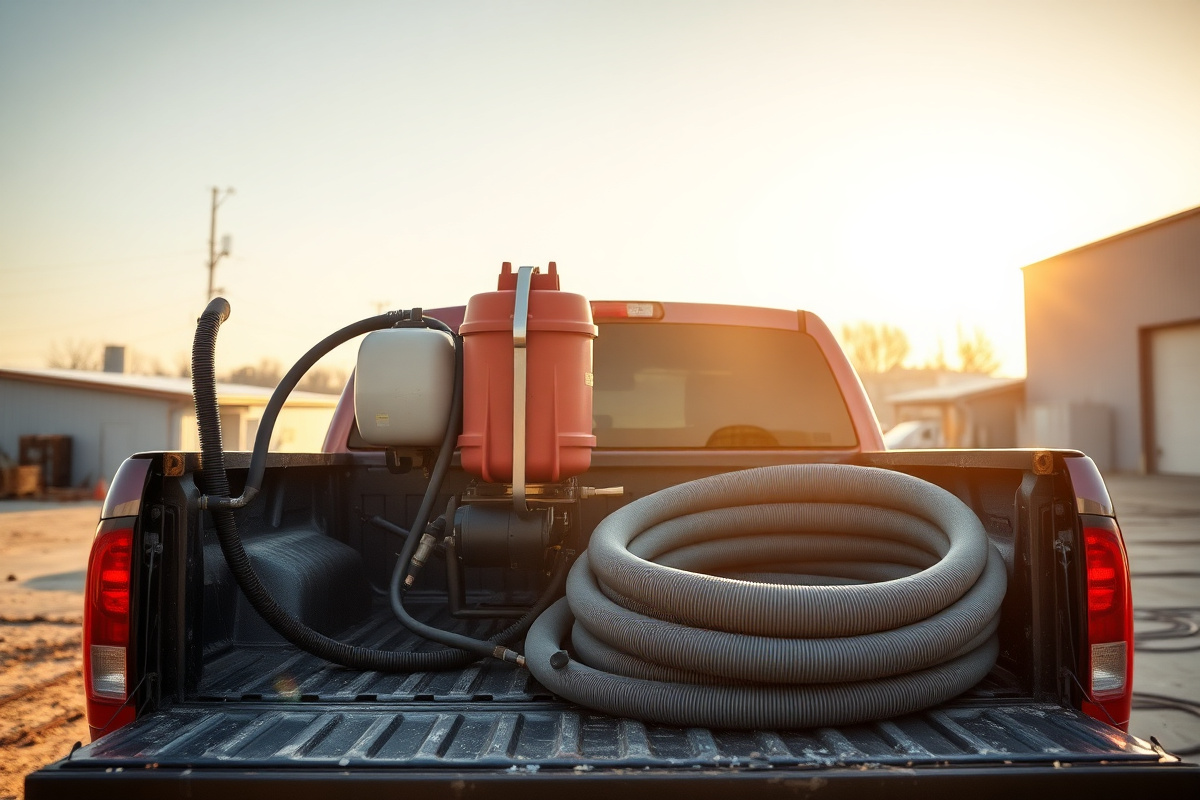
What actually changes with used equipment
New equipment
- Full warranty coverage
- Matched, unworn components — matters most on plural-component rigs where metering precision affects cure quality
- No unknown wear history on pump packing, tips, or hoses
- Higher upfront cost
Used equipment
- Lower upfront cost, easier on cash flow
- A real secondary market exists — active contractor forum threads specifically about sourcing good used plural-component rigs confirm this
- Condition matters more than on lighter-duty gear — check pump packing wear, tip wear, hose integrity, and heater function on plural-component units
- No warranty on most private-sale purchases
A simple decision framework
Renting favors...
Occasional or small jobs, one-off projects outside your usual scope, or testing whether a coating type is worth investing in equipment for. Rental pricing for elastomeric-class coating sprayers has been cited around $500/day or roughly $2,000/week for heavier-duty units — treat this as a typical, directional range; actual rates vary by region and equipment class.
Buying favors...
Frequent or scaling commercial work, where rental costs compound quickly on equipment you'd otherwise be running weekly. Ownership also removes scheduling dependency on rental availability during busy seasons — a real factor once job volume gets consistent.
We don't publish invented purchase-price figures here — reliable, cross-verified pricing specific to roof coating sprayers is thin across public sources. Treat any single-source purchase-price figure you find elsewhere with caution and get a real quote for your specific equipment class.
Specs that matter as you grow
PSI headroom
Light residential/small commercial runs fine on lower-pressure units. Silicone and high-build acrylic work on larger commercial roofs pushes toward the 5,000+ PSI hydraulic piston category.
GPM / output
Bigger roofs reward higher-GPM pumps to maintain production rate and even mil-thickness across large continuous pours — not just peak pressure.
Pump architecture
Diaphragm suits smaller/lighter jobs and portability. Piston — and for silicone, hydraulic piston with a 5:1 transfer pump — suits sustained high-viscosity, high-volume commercial work.
Hose length & diameter
Becomes relevant once job size or plural-component chemistry requires long runs across large roof decks.
Heated-hose capability
Only relevant if you're running plural-component work — but non-negotiable if you are.
Tip inventory
Orifice/fan needs shift by coating type, so scaling contractors typically carry a range of tip sizes rather than one fixed tip.
A note on financing larger purchases
Financing options exist for larger rig purchases, particularly plural-component systems with a higher price point. We don't partner with or endorse specific lenders — if financing is relevant to your purchase, ask any equipment dealer you're evaluating what terms they offer and compare against your own bank or an equipment financing specialist.
Get personalized equipment buying help
Tell us about your coating type, job size, and current setup — we'll point you toward the equipment category and specs that actually fit, no brand pitch attached.