Keep your rig running — flush, clean, inspect
Most equipment failures in this trade trace back to a maintenance gap, not a defect. Water left in a system before a freeze, cross-contaminated chemistries, and unnoticed tip wear are the recurring causes referenced across sprayer maintenance guides.
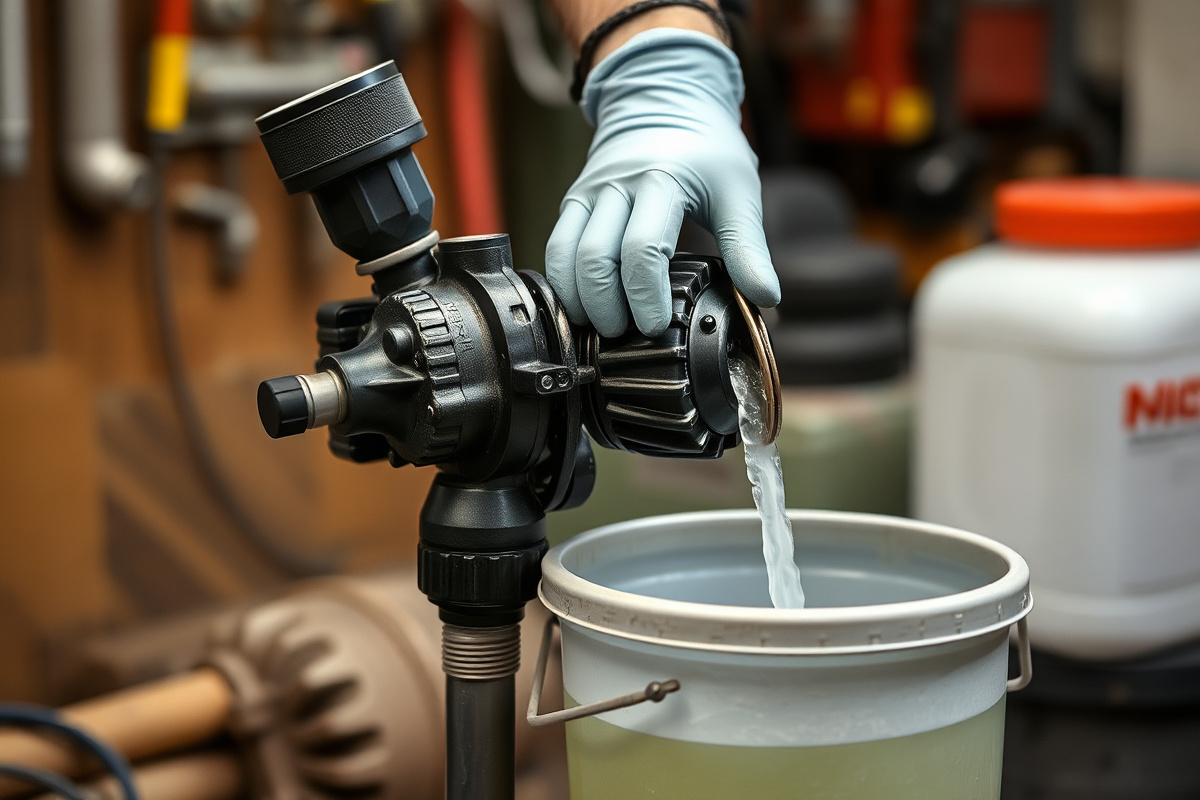
The flush-clean-inspect routine
Flush completely
Run the coating manufacturer's specified cleanup fluid through until it runs clear — repeat cycles if needed on thick, high-build material. Never mix chemistries in one uncleaned system.
Check filters & seals
Clean or replace filters and screens routinely to prevent clogging. Inspect O-rings and seals for wear before they turn into leaks or pressure loss.
Inspect tips
A worn tip effectively enlarges the orifice over time. If pattern or pressure has drifted from what you're used to, check the tip before assuming it's a pump problem.
Silicone gets its own equipment discipline
Silicone roof coating work is commonly handled with dedicated equipment — pumps and hoses kept separate from acrylic-line gear rather than cross-used between chemistries. Silicone cleanup typically calls for a specially formulated thinner rather than a straight water flush, largely because silicone's moisture sensitivity makes standard water-based cleaning less reliable.
Plural-component rigs carry their own additional discipline: keeping the A-side and B-side fully separated through the entire cleaning process, and checking heater and hose integrity before storage, since heat-run failures are a common cause of off-ratio material at next-season startup.
Winterization checklist
Read the full end-of-season storage guide for the complete routine, including plural-component-specific steps.
Maintenance FAQs
Flush with the coating manufacturer's specified cleanup fluid — water for water-based acrylics, or a specified thinner for silicone — repeating the flush cycle until fluid runs clear. Thick coatings often need more than one pass to fully clear the system.
Not quite. Silicone work is commonly handled with dedicated equipment kept separate from acrylic-line pumps and hoses, and silicone cleanup typically calls for a specially formulated thinner rather than a straight water flush, largely because of silicone's moisture sensitivity.
Flush fully, run a small amount of mineral spirits through as an anti-corrosive measure, and — most importantly — make sure all water is completely drained before freezing temperatures hit. Water left in pump components is the leading cause of freeze damage found at the start of the next season.
Tip wear is one of the most common causes — a worn tip effectively enlarges the orifice over time, degrading pressure and pattern quality. Clogged filters/screens and worn seals are the other usual suspects; check those before assuming it's a pump problem.
Get personalized equipment buying help
Tell us about your coating type, job size, and current setup — we'll point you toward the equipment category and specs that actually fit, no brand pitch attached.