Spray tip & nozzle sizing for roof coating
A tip's size code carries two separate specs — fan width and orifice diameter — and roof coating work leans on both. Here's how they map to coating viscosity and build rate, and the general sizing bands to start from.
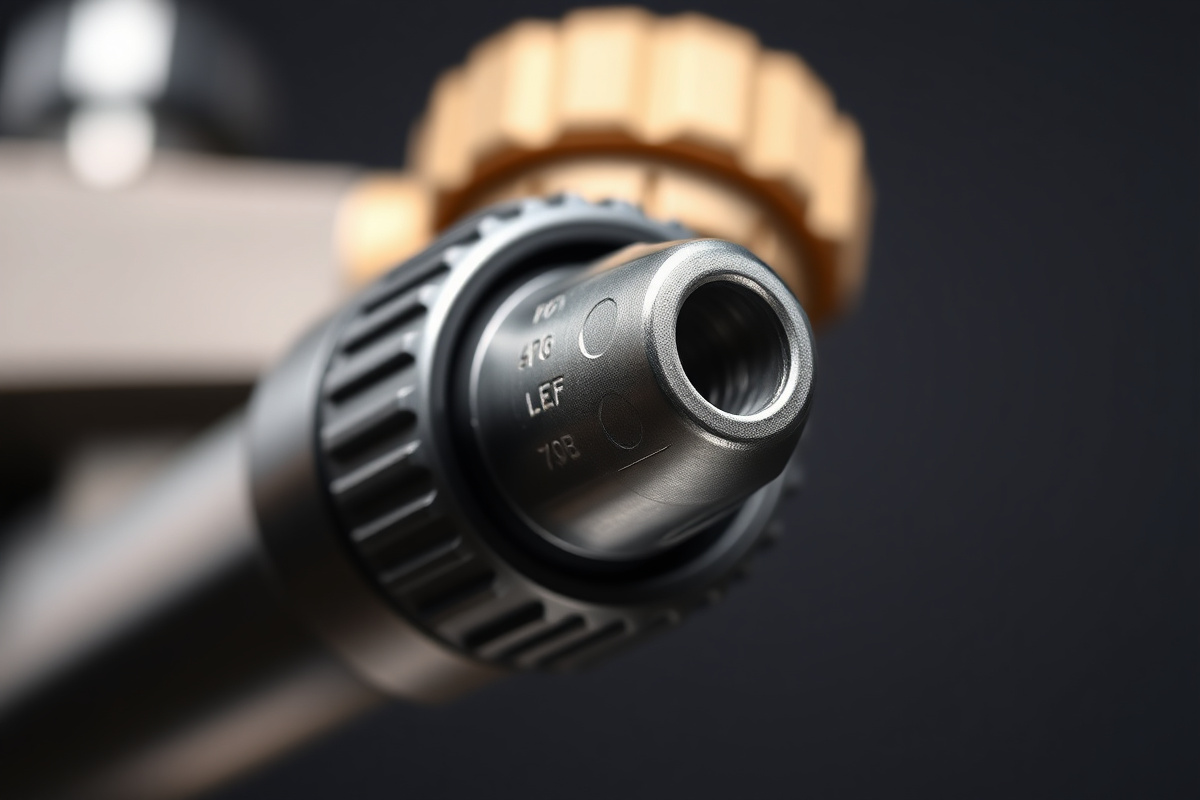
Orifice size = flow volume
The orifice diameter controls how much material passes through per pass. Larger orifice = more material per pass, which is what higher-viscosity coatings and higher desired mil build both call for. Too small, and the pump fights to push material through, producing a starved or sputtering pattern.
Fan angle = coverage width
Fan angle determines how wide the spray pattern lands per pass — independent of orifice size. Wider fans cover more surface area per pass, which matters on large flat and low-slope commercial roofs where production rate is a real cost.
General sizing bands by material weight
From general spray-equipment tip guides — not roof-coating-specific unless noted. Starting orientation, not a fixed answer for your product.
| Material weight | Typical orifice range | Example materials |
|---|---|---|
| Thin / low-viscosity | 0.009" – 0.013" | Stains, lacquers |
| Medium-viscosity | 0.015" – 0.019" | Latex, enamel, primer |
| Heavy / high-build | 0.021" – 0.027" | Textured coatings, elastomerics (general band) |
| Silicone roof coating (manufacturer-specific) | 0.030" minimum (one published spray guide) | High-solids silicone product line, 50° fan |
The manufacturer's TDS is the actual source of truth
Formulations vary by product and manufacturer even within the same coating category — two silicone products from two different manufacturers can call for meaningfully different tip specs. Every coating's technical data sheet is written for that specific formulation's viscosity and solids content, which makes it the real answer for tip size, fan angle, and gun distance — not a general chart, and not what worked on the last job with a different product.
Tip & nozzle sizing FAQs
A published manufacturer spray guide for a high-solids silicone product specifies a minimum 0.030" orifice with a 50° fan tip — larger than the general "heavy coating" band used for typical paint products. Confirm against your specific product's technical data sheet, since silicone formulations vary by manufacturer.
General spray-tip guides place heavy-build materials — the band elastomeric coatings tend to fall into — in roughly the 0.021"–0.027" range. This is a general paint-industry band, not a roof-coating-specific chart, so treat it as a starting point and confirm against the coating's TDS.
No — they're independent specs encoded together in a tip's size code. Fan angle controls how wide the spray pattern lands on the surface; orifice size controls how much material flows through per pass. You can pair a wide fan with a small orifice or a narrow fan with a large orifice depending on the job.
An undersized tip fights the pump — you'll typically see excessive pressure, a starved or sputtering spray pattern, and slower production as the pump struggles to force material through too small an opening.
Get personalized equipment buying help
Tell us about your coating type, job size, and current setup — we'll point you toward the equipment category and specs that actually fit, no brand pitch attached.